
Nature’s Nutrient-Packed Herbal Plant
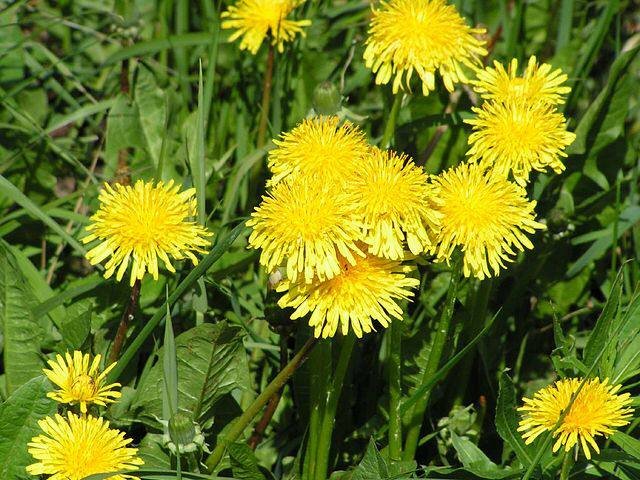
Dandelion (Taraxacum officinale) is often dismissed as a common weed, but this bright yellow flowering plant has been valued for centuries in traditional herbal practices. Every part of the dandelion—from its roots and leaves to its flowers—contains beneficial compounds that may support overall health and wellness. Rich in vitamins, minerals, antioxidants, and plant-based nutrients, dandelion has become a popular ingredient in teas, supplements, and natural health remedies.
In this article, we’ll explore the potential benefits of dandelion, its nutritional profile, and how you can incorporate it into a healthy lifestyle.
What Is Dandelion?
Dandelion is a flowering plant that grows naturally in many parts of the world. Traditionally, it has been used in herbal medicine to support digestion, liver health, and overall well-being. Today, dandelion is commonly consumed as:
- Dandelion tea
- Fresh salad greens
- Herbal supplements
- Dandelion root coffee substitutes
- Tinctures and extracts
Nutritional Value of Dandelion
Dandelion greens are surprisingly nutrient-dense and provide a variety of essential vitamins and minerals, including:
- Vitamin A
- Vitamin C
- Vitamin K
- Vitamin E
- Folate
- Calcium
- Potassium
- Iron
- Magnesium
They also contain antioxidants such as beta-carotene and polyphenols, which help protect the body from oxidative stress.
Potential Health Benefits of Dandelion
1. Rich in Antioxidants
Dandelion contains powerful antioxidants that help neutralize free radicals in the body. Free radicals can contribute to cellular damage and may play a role in aging and certain chronic diseases.
Regular consumption of antioxidant-rich foods may support overall health and help maintain healthy cells.
2. May Support Liver Health
Dandelion root has traditionally been used to support liver function. Some research suggests that compounds found in dandelion may help protect liver cells from oxidative stress and support natural detoxification processes.
While more human studies are needed, dandelion remains a popular herbal choice for liver wellness.
3. Supports Healthy Digestion
Dandelion has long been used as a digestive tonic. It contains inulin, a type of prebiotic fiber that can support beneficial gut bacteria.
Potential digestive benefits include:
- Promoting regular bowel movements
- Supporting gut microbiome balance
- Encouraging healthy digestion
- Reducing occasional bloating
4. May Help Maintain Healthy Blood Sugar Levels
Early studies suggest that certain compounds in dandelion may influence carbohydrate metabolism and insulin activity. While promising, more clinical research is needed to fully understand these effects.
People interested in blood sugar management should view dandelion as a supportive dietary addition rather than a replacement for medical treatment.
5. Supports Heart Health
Dandelion contains potassium, fiber, and antioxidants, all of which contribute to cardiovascular wellness.
Potential benefits may include:
- Supporting healthy blood pressure levels
- Promoting balanced cholesterol levels
- Reducing oxidative stress
A heart-healthy diet combined with regular exercise remains the most effective strategy for cardiovascular health.
6. May Promote Healthy Skin
The antioxidants and vitamins found in dandelion may help support healthy-looking skin. Traditional herbal remedies have sometimes used dandelion extracts for skin care applications.
Nutrients such as vitamin C can contribute to collagen production and skin maintenance.
7. Natural Source of Fiber
Dandelion greens provide dietary fiber, which plays an important role in:
- Digestive health
- Satiety and appetite control
- Blood sugar regulation
- Heart health
Adding fiber-rich foods to your diet can support overall wellness and healthy eating habits.
8. May Have Mild Diuretic Properties
Dandelion is traditionally known as a natural diuretic, meaning it may help increase urine production. This effect may assist the body in maintaining fluid balance.
However, anyone with kidney conditions or taking medications should consult a healthcare professional before using dandelion supplements.
How to Enjoy Dandelion
Dandelion Tea
One of the most popular ways to consume dandelion is as a warm herbal tea made from the leaves or roots.
Fresh Salads
Young dandelion greens can add a slightly bitter, nutrient-rich flavor to salads.
Smoothies
Blend a small amount of dandelion greens into fruit and vegetable smoothies.
Roasted Dandelion Root
Roasted dandelion root is often used as a caffeine-free coffee alternative.
Possible Side Effects
Although dandelion is generally considered safe for many people, some individuals may experience:
- Allergic reactions
- Digestive discomfort
- Increased urination
- Interactions with certain medications
People who are pregnant, breastfeeding, taking prescription medications, or managing medical conditions should consult a healthcare provider before using dandelion supplements or herbal products.
Conclusion
Dandelion is far more than a backyard weed. Packed with vitamins, minerals, antioxidants, and fiber, this versatile plant offers a variety of potential health benefits. From supporting digestion and liver function to providing valuable nutrients, dandelion can be a nutritious addition to a balanced diet.
Whether enjoyed as tea, fresh greens, or a roasted root beverage, dandelion provides a natural way to incorporate more plant-based nutrition into your daily routine. While research continues to explore its full potential, dandelion remains one of nature’s most intriguing and nutrient-rich herbs.
Disclaimer
This article is for informational and educational purposes only and is not intended as medical advice, diagnosis, or treatment. The potential health benefits discussed are based on available research and traditional use but may not apply to everyone. Always consult a qualified healthcare professional before making significant dietary changes, starting herbal supplements, or using dandelion for health purposes, especially if you are pregnant, breastfeeding, taking medications, or have an existing medical condition. Never disregard professional medical advice based on information found in this article.