
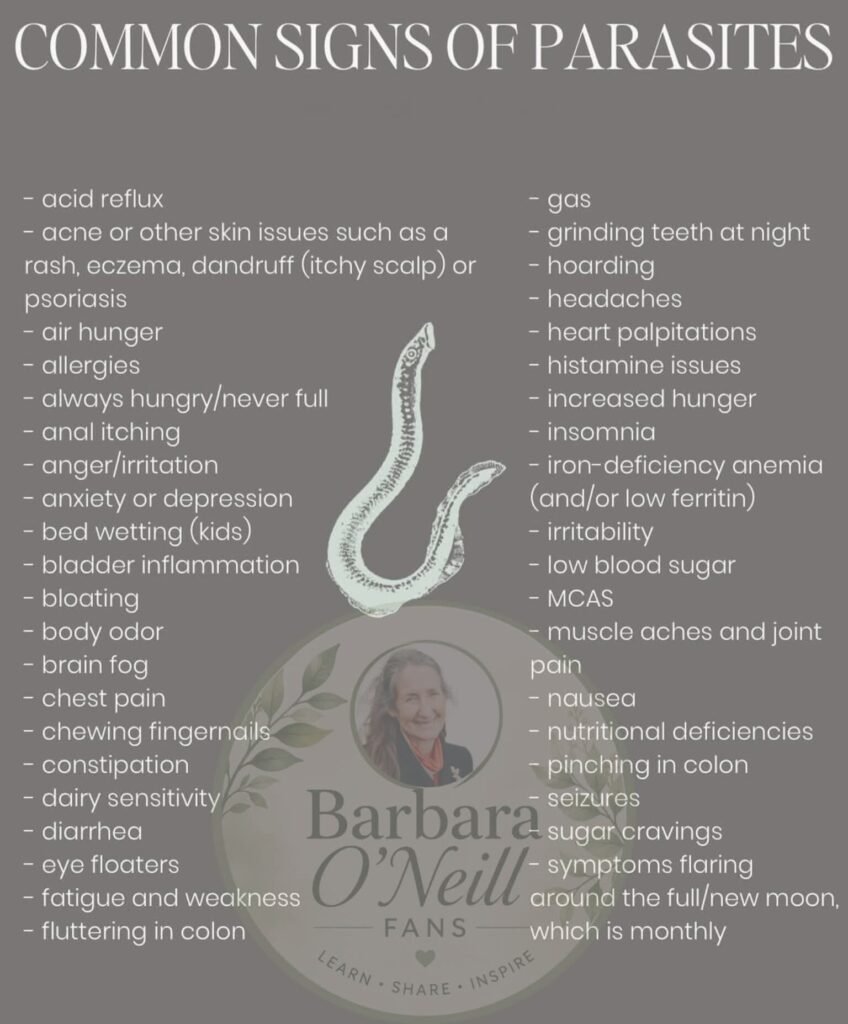

🦠 Parasites in the Human Body: Facts & Misconceptions
🔍 What Are Parasites?
Parasites are organisms that live on or inside another organism (the host), drawing nutrients at the host’s expense. Common human parasites include protozoa (like Giardia), helminths (worms such as tapeworms), and ectoparasites (like lice).
📌 10 Claims About Parasites — Examined
1. Parasites and Misdiagnosis
Some chronic illnesses share symptoms with parasitic infections. However, conditions like Crohn’s disease, IBS, or autoimmune disorders have distinct causes. Parasites can mimic symptoms, but they are not the root of all these diseases.
2. Stool Testing Limitations
It’s true that stool tests don’t catch every parasite. Sensitivity varies, and multiple samples may be needed. Still, modern labs use PCR and antigen tests that improve detection.
3. Parasite Secretion
Parasites produce enzymes to survive in the host, but the idea that they “dissolve themselves” to avoid detection is overstated.
4. Egg Production
Many parasites lay large numbers of eggs, which is why reinfection and persistence can occur.
5. Parasite Waste and Lymph
Parasites do produce waste, but claims that “parasite poop blocks the lymphatic system” are not supported by evidence.
6. Parasites Holding Toxins
Some parasites can harbor bacteria or viruses, but the idea they hold “6–8 times their weight” in toxins is speculative.
7. Parasites and Mental Health
Certain parasites (like Toxoplasma gondii) may influence brain chemistry and behavior. However, links to schizophrenia or bipolar disorder remain under study.
8. Parasite Habitats
Parasites can live in the gut, blood, or tissues. Claims about them “lovingParasites breast implants” or “root canals” are anecdotal, not proven.
9. Cats as a Source
Cats can transmit Toxoplasma gondii. But the idea that owning cats makes people “act like cats” is metaphorical, not scientific.
10. Everyone Has Parasites
It’s true that parasites are widespread globally. In developed countries, hygiene and healthcare reduce risk, but infections still occur.
🧾 Practical Takeaways
– Wash hands and food thoroughly.
– Cook meat properly to avoid tapeworms.
– Use clean water sources.
– Deworming medications are effective against many parasites.
– Pets should be regularly checked by veterinarians.
⚠️ Disclaimer
This article is for informational purposes only. While parasites are real and can cause illness, many claims circulating online exaggerate their role in human disease. Always consult a qualified healthcare professional for diagnosis and treatment.