
If you struggle with poor sleep, low energy, bloating, muscle cramps, heartburn, or hormonal headaches, you may have been told you have a sleep disorder or even chronic fatigue.
But what if the real issue isn’t a disorder at all?
What if it’s a magnesium deficiency — one that standard blood tests often fail to detect?
Let’s break down the science, clear up common misconceptions, and explore how different forms of magnesium support different systems in the body.
Why Magnesium Deficiency Is So Common

4
Magnesium is involved in over 300 enzymatic reactions in the human body. It supports:
- Muscle function
- Nerve signaling
- Energy production (ATP)
- Sleep regulation
- Hormonal balance
- Digestive health
- Heart rhythm stability
Despite its importance, studies suggest a large percentage of adults consume less than the recommended daily intake.
Why Blood Tests Often Miss It
Most standard serum magnesium tests measure magnesium in the blood.
However:
- Only about 1% of total body magnesium is found in blood serum.
- The majority is stored in bones, muscles, and inside cells.
- Your body tightly regulates blood magnesium levels, even when total stores are low.
This means you can have “normal” lab results while still experiencing symptoms of deficiency.
That said, magnesium deficiency is not the only cause of sleep issues or fatigue. Persistent symptoms should always be evaluated by a healthcare professional.
Signs You May Be Low in Magnesium
Common symptoms include:
- Trouble falling or staying asleep
- Chronic fatigue
- Muscle cramps or twitching
- Anxiety or restlessness
- Hormonal headaches
- Bloating or constipation
- Heartburn
- Irregular heartbeat
If several of these apply, magnesium status may be worth discussing with your doctor.
Why Different Forms of Magnesium Matter
Not all magnesium supplements are created equal. Each form has unique absorption properties and physiological effects.
Here’s what the different types typically support:
Magnesium Glycinate – For Deep Sleep & Calm


4
Magnesium glycinate is bound to glycine, an amino acid known for its calming properties.
Best for:
- Deep, restorative sleep
- Reducing nighttime anxiety
- Relaxing tense muscles
It is generally well tolerated and less likely to cause digestive upset.
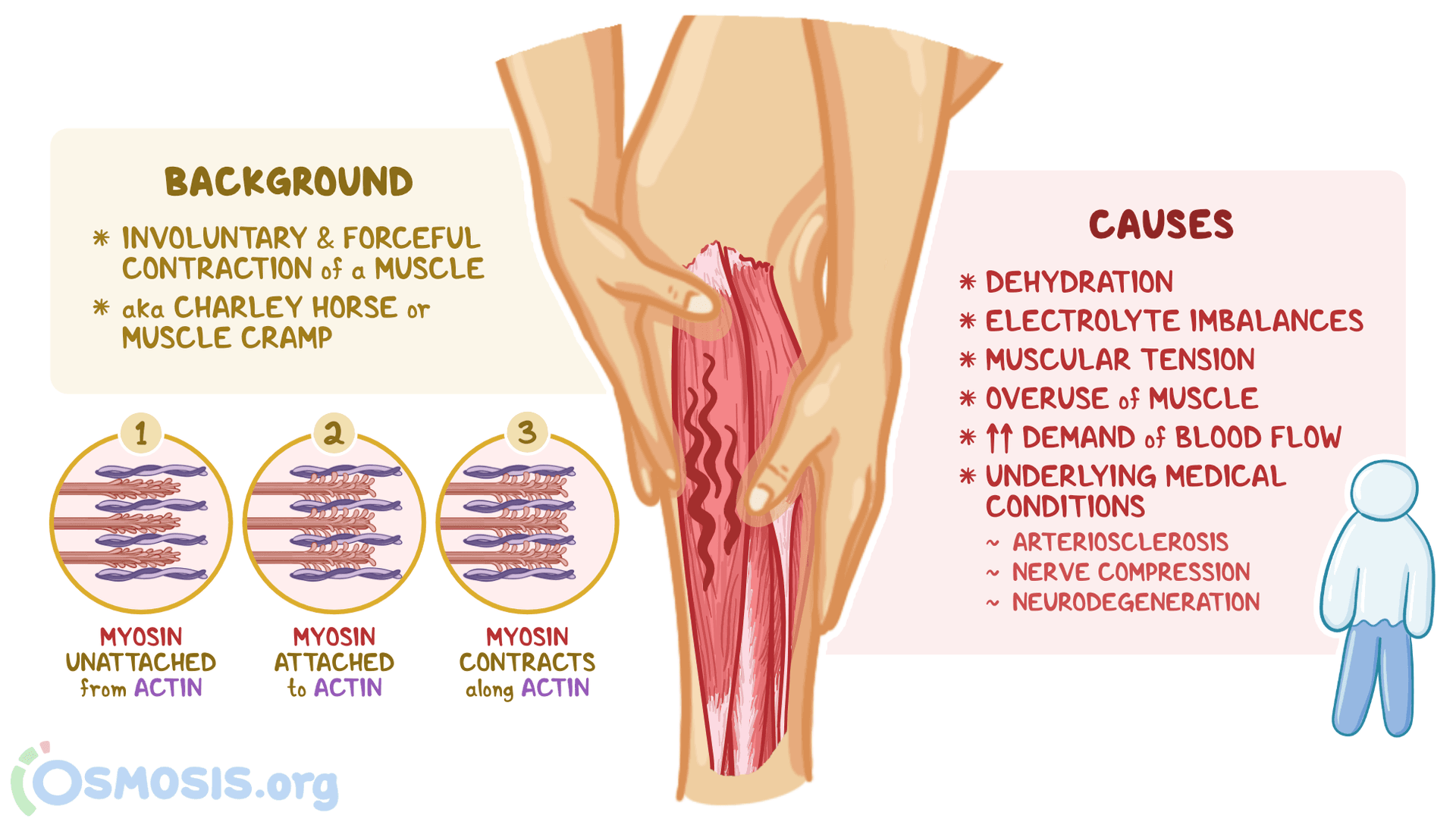
Magnesium Malate – For Energy & Muscle Cramps


4
Magnesium malate combines magnesium with malic acid, which plays a role in ATP (energy) production.
Best for:
- Daytime fatigue
- Muscle soreness
- Exercise recovery
- Chronic muscle tension
Many people prefer taking it earlier in the day due to its energizing effect.
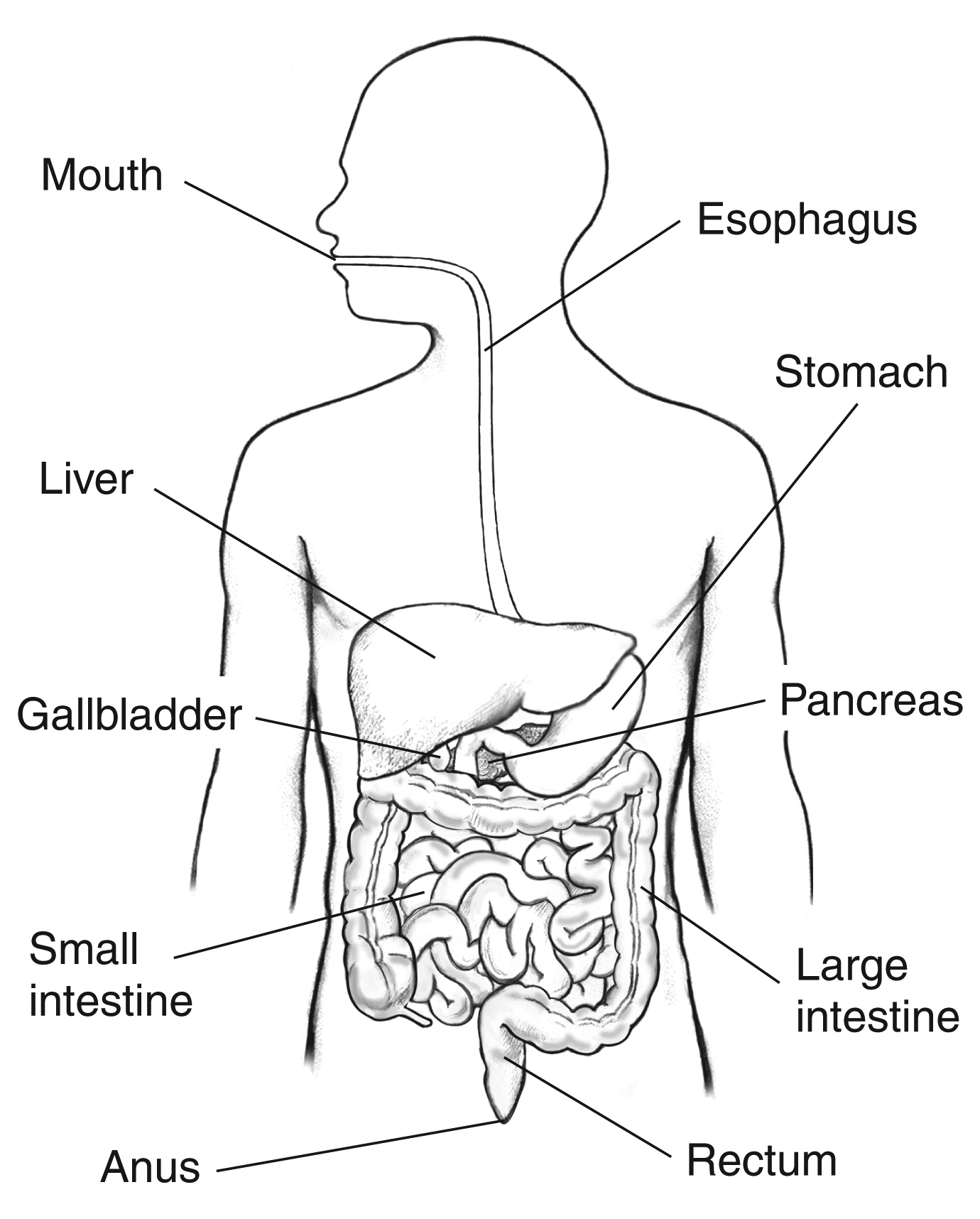
Magnesium Citrate – For Bloating & Digestion


4
Magnesium citrate is commonly used to support digestion.
Best for:
- Occasional constipation
- Bloating
- Sluggish digestion
It draws water into the intestines, which can gently stimulate bowel movements.
Magnesium Hydroxide – For Heartburn Relief



4
Magnesium hydroxide is often used in antacid formulas.
Best for:
- Occasional heartburn
- Acid reflux symptoms
It works by neutralizing stomach acid.
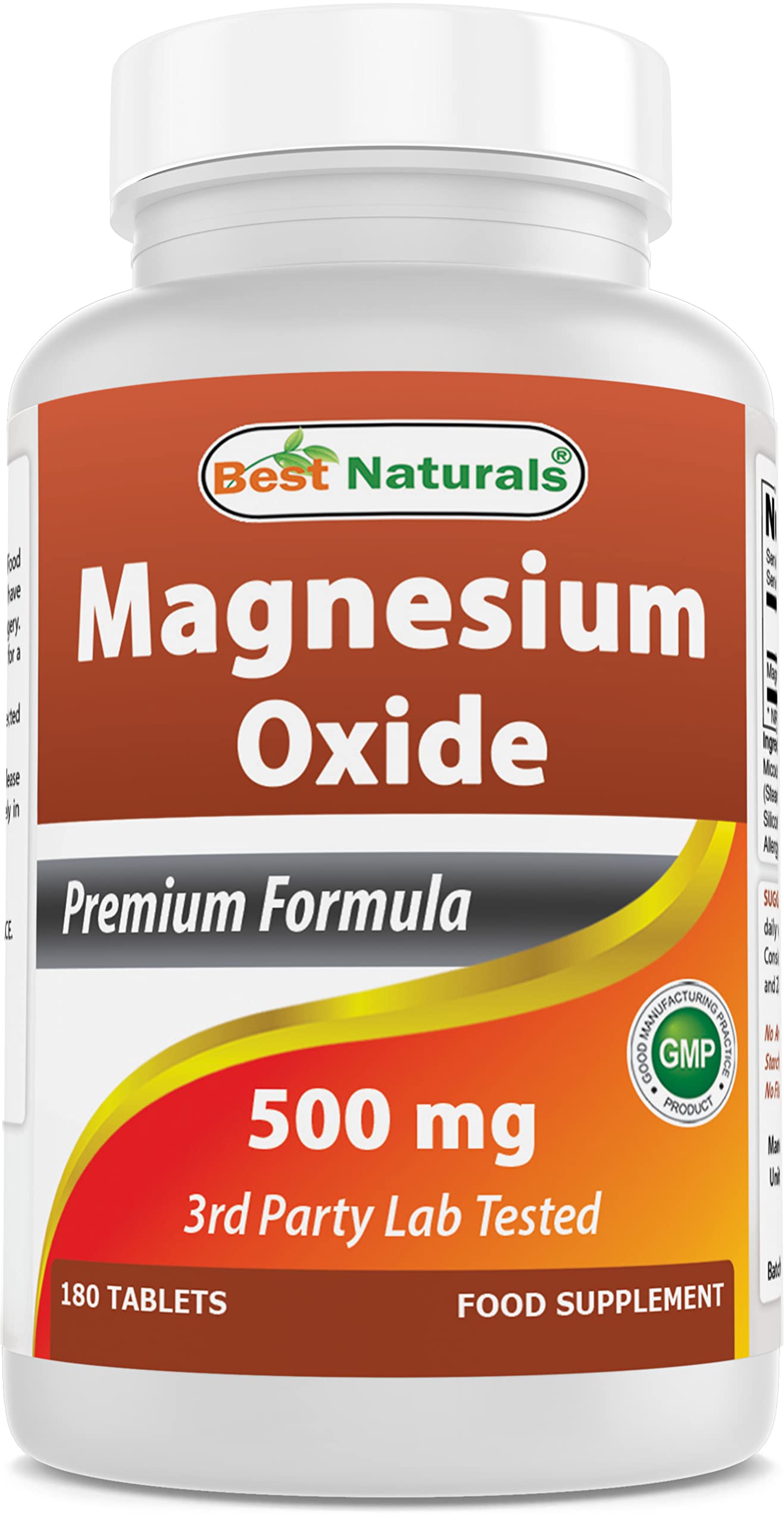
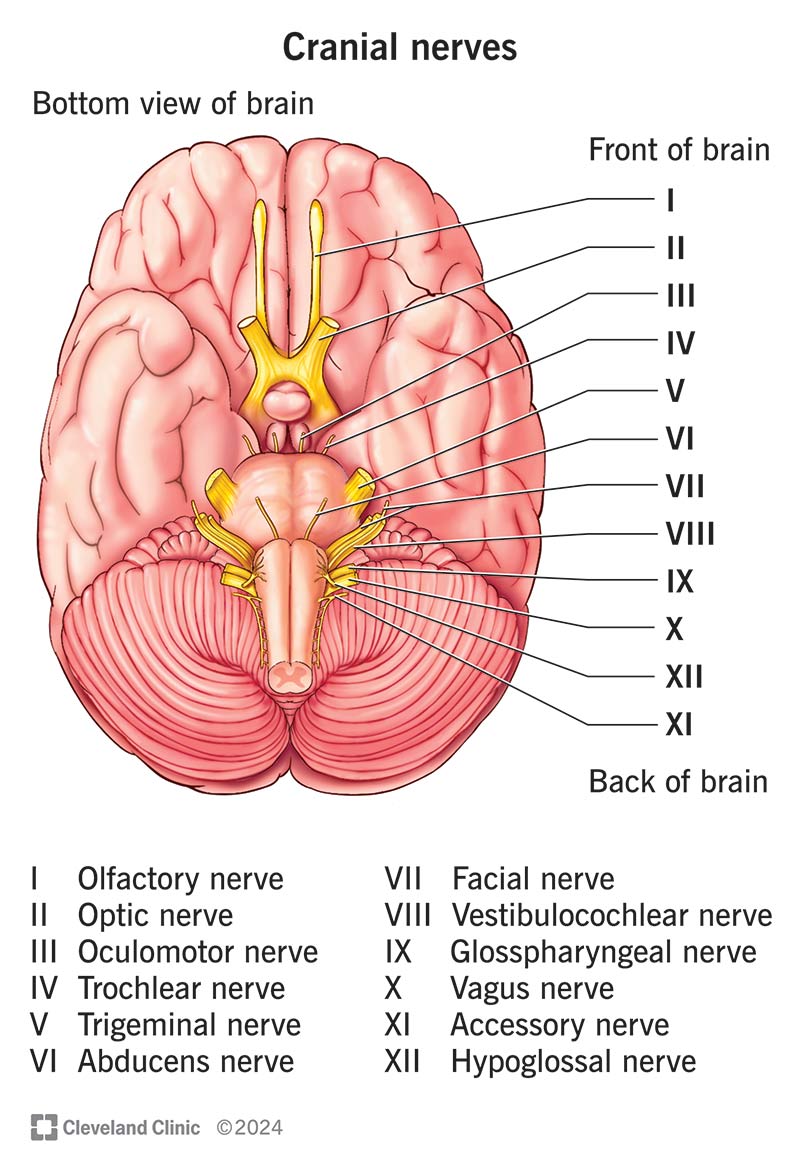
Magnesium Oxide – For Hormonal Headaches & General Support

4
Magnesium oxide contains a high percentage of elemental magnesium.
Best for:
- Hormonal headaches
- Migraine prevention support
- General magnesium repletion
Note: It has lower bioavailability compared to some other forms, but can still be useful in targeted applications.
Do You Need a “Spectrum” Magnesium Supplement?
Some supplement blends combine multiple forms of magnesium in one formula. The idea is to support:
- Sleep
- Energy
- Digestion
- Hormones
- Muscle health
While combining forms can provide broader coverage, more isn’t always better. The right choice depends on:
- Your specific symptoms
- Your digestive tolerance
- Your existing medical conditions
- Medications you may be taking
Always consult a healthcare provider before starting high-dose supplementation.
How to Support Magnesium Naturally
In addition to supplements, consider increasing dietary intake through:
- Leafy greens (spinach, Swiss chard)
- Pumpkin seeds
- Almonds
- Dark chocolate (70%+)
- Avocados
- Black beans
Lifestyle factors that deplete magnesium include:
- Chronic stress
- Excess caffeine
- High sugar intake
- Alcohol
- Intense physical training
Addressing these can significantly improve magnesium status.
The Bottom Line
You may not have a mysterious sleep disorder or unexplained chronic fatigue.
Magnesium deficiency is common, underdiagnosed, and can contribute to a wide range of symptoms.
However:
- Not all symptoms are caused by magnesium deficiency.
- Not all magnesium supplements work the same way.
- Lab tests don’t always tell the full story.
If you suspect low magnesium, work with a qualified healthcare provider to determine the right approach.
Supporting your body at the cellular level may help restore balance naturally — but informed decisions are always better than guesswork.