
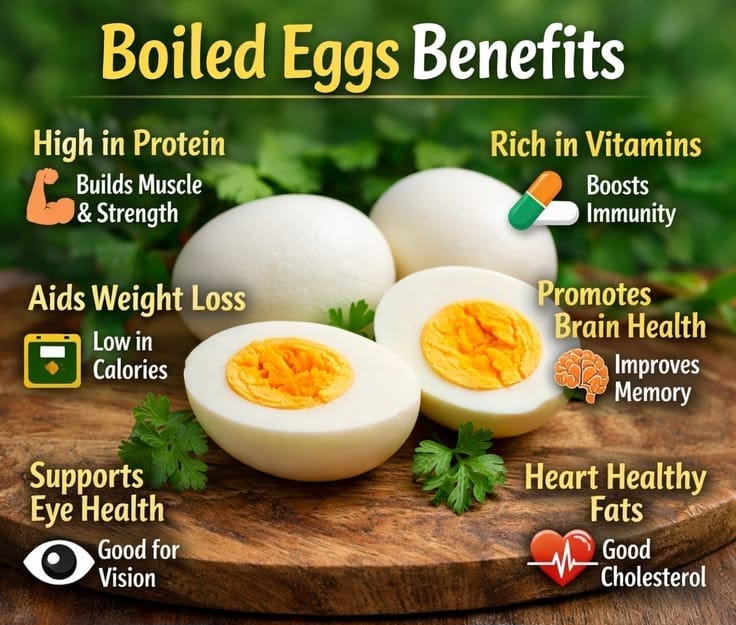
A Simple Food Packed with Powerful Nutrition
Boiled eggs are among the most nutritious and affordable foods available. Easy to prepare and versatile enough for breakfast, snacks, salads, or meal prep, they provide a wide range of essential nutrients that support overall health. Whether you’re looking to build muscle, manage your weight, or simply improve your diet, boiled eggs can be a valuable addition to your daily routine.
What Makes Boiled Eggs So Nutritious?
A large boiled egg contains approximately:
- 70–80 calories
- 6–7 grams of high-quality protein
- 5 grams of healthy fats
- Vitamin B12
- Vitamin D
- Vitamin A
- Selenium
- Choline
- Riboflavin
Because boiling requires no added oil or butter, boiled eggs are a nutrient-dense food with relatively few calories.
1. Excellent Source of High-Quality Protein
Protein is essential for building and repairing tissues, producing enzymes and hormones, and maintaining muscle mass. Eggs contain all nine essential amino acids, making them a complete protein source.
Including boiled eggs in your meals can help:
- Support muscle growth and recovery
- Increase feelings of fullness
- Maintain healthy bones and tissues
- Support healthy aging
2. May Help with Weight Management
Boiled eggs are filling and satisfying due to their protein content. Protein-rich foods can help reduce hunger and promote satiety, which may lead to lower calorie intake throughout the day.
Pairing boiled eggs with vegetables, whole grains, or fruit can create a balanced meal that keeps you satisfied longer.
3. Supports Brain Health
Eggs are one of the best dietary sources of choline, a nutrient involved in:
- Brain development
- Memory function
- Nervous system health
- Cell communication
Adequate choline intake is especially important during pregnancy and early childhood development.
4. Beneficial for Eye Health
Egg yolks contain antioxidants called lutein and zeaxanthin, which accumulate in the retina and help protect the eyes from oxidative stress.
These nutrients may:
- Support long-term eye health
- Help protect against age-related eye changes
- Support healthy vision
5. Provides Important Vitamins and Minerals
Boiled eggs supply several nutrients that many people struggle to get enough of, including:
- Vitamin D for bone health
- Vitamin B12 for nerve function and red blood cell production
- Selenium for immune support
- Vitamin A for vision and immune function
This nutrient combination makes eggs a valuable part of a balanced diet.
6. Supports Heart Health as Part of a Balanced Diet
Research suggests that for most healthy individuals, moderate egg consumption can be included in a heart-healthy eating pattern.
Eggs also contain nutrients such as:
- Choline
- Selenium
- Healthy fats
People with certain medical conditions, including elevated cholesterol levels or cardiovascular disease, should discuss egg intake with a healthcare professional.
7. Convenient and Affordable
One of the greatest advantages of boiled eggs is their convenience.
They are:
- Easy to prepare
- Portable
- Budget-friendly
- Suitable for meal prep
- Versatile in recipes
Boiled eggs can be added to salads, sandwiches, grain bowls, or enjoyed on their own.
Tips for Enjoying Boiled Eggs
- Pair with vegetables for added fiber and nutrients.
- Store hard-boiled eggs in the refrigerator for up to one week.
- Avoid excessive salt if monitoring sodium intake.
- Combine with whole grains and healthy fats for a balanced meal.
Conclusion
Boiled eggs are a simple yet highly nutritious food that provides high-quality protein, essential vitamins, minerals, and important nutrients such as choline and lutein. They can support muscle maintenance, satiety, brain function, and overall nutrition when incorporated into a balanced diet. Affordable, convenient, and versatile, boiled eggs remain one of the easiest ways to add nutrient-rich foods to your daily meals.
Disclaimer
This article is for educational and informational purposes only and should not be considered medical advice. Nutritional needs vary from person to person. If you have food allergies, dietary restrictions, high cholesterol, heart disease, or other medical conditions, consult a qualified healthcare professional or registered dietitian before making significant changes to your diet. Always seek personalized medical advice for concerns regarding your health or nutrition.