
Simple, Science-Backed Habits for Better Energy, Mood & Health
Feeling great doesn’t require a complicated routine, extreme diets, or expensive supplements. Often, it’s the small daily habits — done consistently — that create lasting wellness.
This “nutshell” guide breaks down the core pillars of physical and mental well-being into simple, practical actions you can start today.
1. Fuel Your Body with Real Food
Your body runs on what you feed it. Prioritize nutrient-dense, whole foods over ultra-processed meals.
Focus On:
Lean proteins (eggs, fish, beans)
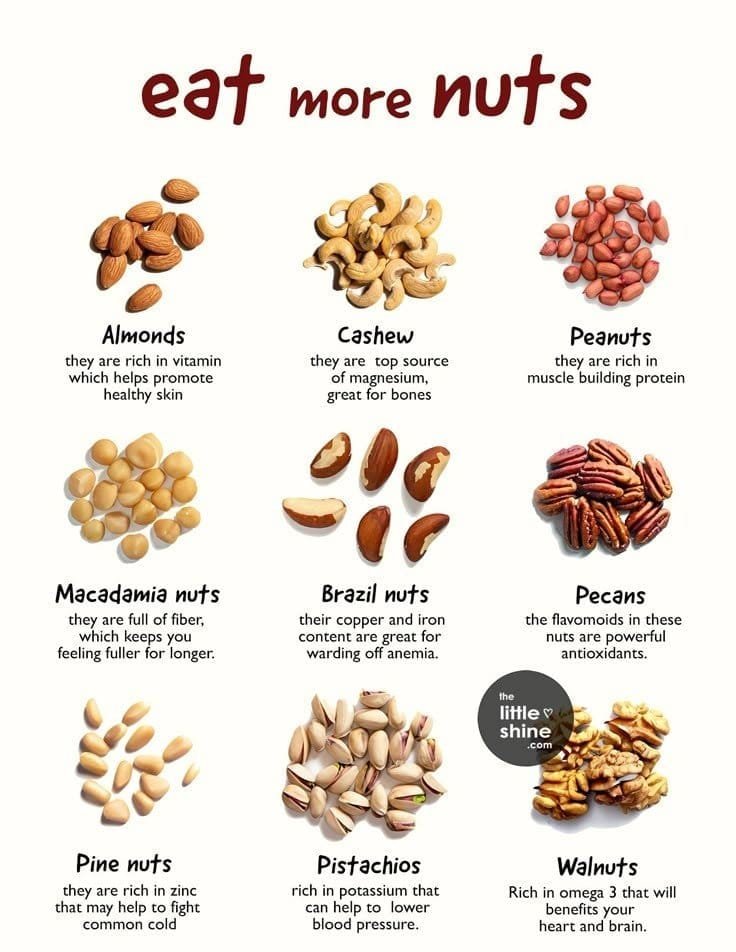
Healthy fats (olive oil, nuts, avocado)
Colorful vegetables
Whole grains
Fresh fruit
Why It Matters
Balanced nutrition stabilizes blood sugar, supports hormones, boosts immunity, and improves mood.
Quick Win: Add one extra serving of vegetables per day.
2. Hydrate Like It Matters (Because It Does)
Even mild dehydration can cause fatigue, headaches, and poor concentration.
Aim For:
6–8 glasses of water daily (more if active)
Electrolytes if sweating heavily
Tip: Start your morning with a full glass of water before coffee.
3. Move Your Body Daily
You don’t need a 2-hour workout. Movement improves circulation, boosts endorphins, and reduces stress.
Simple Options:
30-minute brisk walk
Light strength training 3x per week
Stretching or yoga
Dancing to your favorite music
Movement boosts:
Dopamine (motivation)
Serotonin (mood)
Endorphins (stress relief)
Consistency beats intensity.
4. Prioritize Sleep
Sleep is not optional — it’s foundational.
Healthy Sleep Habits:
7–9 hours nightly
Consistent sleep schedule
No screens 60 minutes before bed
Dark, cool bedroom
Poor sleep affects:
Mood
Hormones
Cravings
Immune function
Sleep is the ultimate reset button.
5. Manage Stress Before It Manages You
Chronic stress drains energy and disrupts nearly every body system.
Stress-Reducing Practices:
Deep breathing (5 minutes daily)
Meditation
Journaling
Nature walks
Limiting social media
Even short breaks can lower cortisol levels.
6. Strengthen Social Connections
Humans thrive on connection.
Spending time with friends and family increases oxytocin — the bonding hormone — which lowers stress and improves happiness.
Even:
A meaningful conversation
A hug
A phone call
can boost emotional well-being.
7. Get Sunlight & Fresh Air
Natural light helps regulate circadian rhythm and boosts vitamin D levels.
Try:
10–20 minutes of morning sunlight
Outdoor walks
Opening windows when possible
Sunlight supports serotonin production — your natural mood stabilizer.
8. Protect Your Mental Diet
What you consume mentally affects how you feel emotionally.
Limit:
Negative news overload
Toxic social media comparison
Excess screen time
Instead:
Read inspiring books
Listen to uplifting podcasts
Practice gratitude daily
Your mind needs nourishment too.
9. Support Gut Health
Your gut and brain are deeply connected.
To improve gut health:
Eat fiber-rich foods
Include fermented foods (yogurt, kefir, kimchi)
Avoid excessive sugar
Stay hydrated
A balanced gut microbiome supports mood and immune function.
10. Set Small Goals & Celebrate Progress
Motivation grows when you complete tasks.
Break big goals into small steps and celebrate wins — even tiny ones.
Achievement triggers dopamine, which reinforces positive habits.
11. Reduce Harmful Habits
To feel great, sometimes you remove what’s draining you.
Cut back on:
Excess sugar
Alcohol
Late-night scrolling
Sedentary habits
Overcommitment
Feeling great is often about subtraction, not addition.
12. Practice Daily Gratitude
Gratitude rewires the brain toward positivity.
Try this nightly:
Write down 3 things that went well today.
Over time, this shifts attention toward abundance rather than stress.
A Simple Daily Blueprint
Morning:
Drink water
Get sunlight
Move your body
Eat a balanced breakfast
Midday:
Walk or stretch
Eat whole foods
Connect with someone
Evening:
Limit screens
Reflect on wins
Sleep consistently
Small habits create powerful results.
Common Mistakes That Prevent You From Feeling Great
Skipping meals
Chronic sleep deprivation
Ignoring stress
Extreme dieting
All-or-nothing mindset
Waiting for “motivation”
Progress over perfection wins every time.
When to Seek Professional Help
If you experience:
Persistent fatigue
Severe anxiety or depression
Sleep disorders
Chronic pain
Unexplained weight changes
Consult a healthcare professional to rule out medical causes.
Final Thoughts: The “Nutshell” Formula
Feeling great isn’t complicated:
✔ Eat real food
✔ Move daily
✔ Sleep well
✔ Manage stress
✔ Connect with others
✔ Get sunlight
✔ Protect your mindset
Master the basics consistently, and your energy, mood, and overall health will improve naturally.