
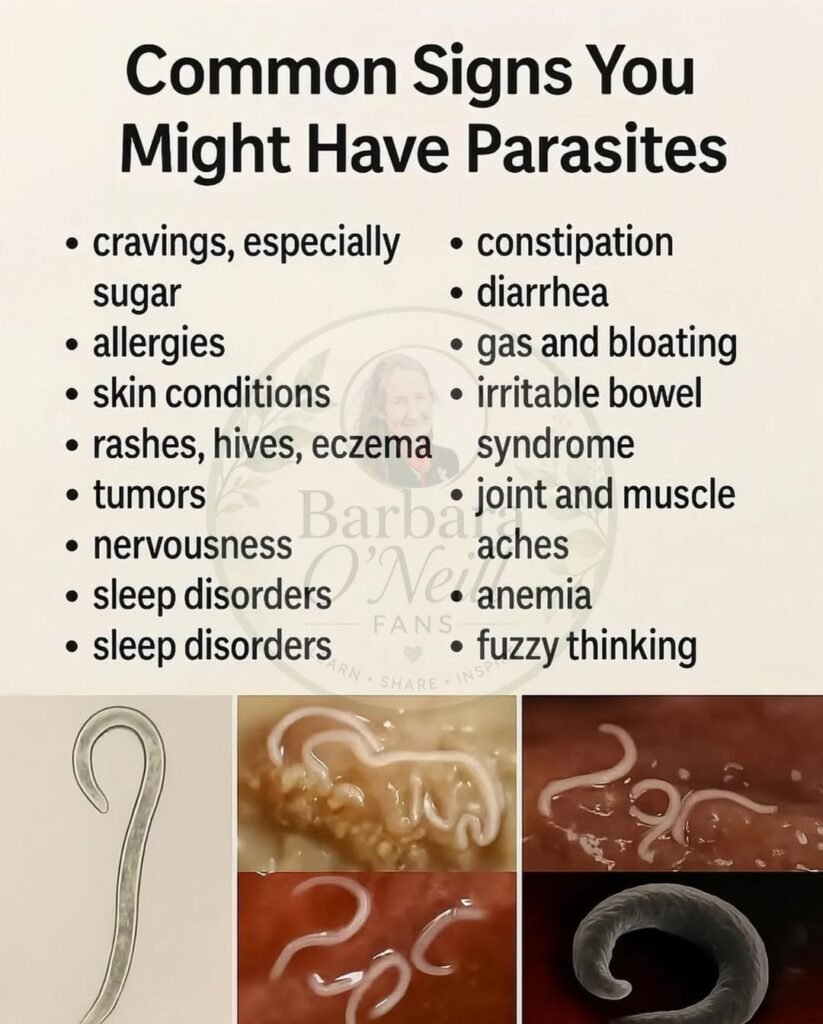
Common Signs You Might Have Intestinal Parasites
Intestinal parasites, including certain types of worms, can infect people through contaminated food, water, soil, or poor hygiene. Some infections cause noticeable symptoms, while others may produce few or no symptoms at all. The signs can also overlap with many other digestive or medical conditions, so symptoms alone cannot confirm a parasitic infection.
Possible Signs and Symptoms
Depending on the type and severity of the infection, possible symptoms may include:
– Abdominal discomfort or pain
– Diarrhea
– Nausea
– Bloating and gas
– Loss of appetite
– Tiredness and weakness
– Unexplained nutritional deficiencies
– Anemia, particularly with hookworm infections
– Itching or certain skin symptoms with some parasites
– Occasionally, visible worms or worm segments in stool
The World Health Organization notes that intestinal worm infections are often mild or asymptomatic, while heavier infections can cause digestive problems, weakness, malnutrition and other complications.
What About Sugar Cravings, Allergies and “Brain Fog”?
The image lists sugar cravings, allergies, nervousness, sleep problems, joint and muscle aches, and “fuzzy thinking” as possible signs of parasites.
These symptoms should not be considered reliable evidence of a parasitic infection. They can have many different causes. In particular, sugar cravings, poor sleep, fatigue or difficulty concentrating are not specific enough to diagnose intestinal parasites.
Likewise, an “irritable bowel syndrome” diagnosis or ordinary constipation does not automatically mean that someone has parasites.
Can Parasites Cause Anemia?
Yes, some intestinal parasites can contribute to anemia. Hookworms can cause chronic intestinal blood loss, which may lead to iron-deficiency anemia, particularly when the infection is significant.
However, anemia has many other possible causes, so it should not automatically be attributed to parasites.
How Do People Become Infected?
Soil-transmitted intestinal worms can spread when microscopic parasite eggs contaminate soil, food or water. Infection can occur through contaminated food or water, inadequate hand hygiene, or—in the case of hookworms—contact with contaminated soil through bare skin.
Good hygiene can reduce the risk:
– Wash hands thoroughly before eating and after using the bathroom.
– Wash, peel or cook food appropriately.
– Drink safe, clean water.
– Wear shoes when walking in areas where soil contamination may be possible.
– Maintain good sanitation.
How Are Parasites Diagnosed?
Symptoms alone cannot reliably establish whether someone has parasites. Depending on the suspected infection, a healthcare professional may recommend stool testing or other appropriate laboratory tests. Some parasites require specific diagnostic methods, and a single test may not always detect an infection.
Treatment
Parasitic infections can often be treated effectively with medicines, but the appropriate treatment depends on the specific parasite. For that reason, taking a “parasite cleanse” or medication simply because of nonspecific symptoms is not a good way to establish the cause.
If symptoms persist, become severe, or there is unexplained anemia, blood in the stool, significant abdominal pain, persistent diarrhea, or substantial weakness, medical evaluation is important.
The Bottom Line
Having bloating, constipation, diarrhea, fatigue, skin problems or food cravings does not necessarily mean you have parasites. Some intestinal parasites can cause digestive symptoms and anemia, but many of these symptoms are nonspecific and can occur with numerous other conditions. Proper testing is the best way to determine whether a parasitic infection is actually present.