
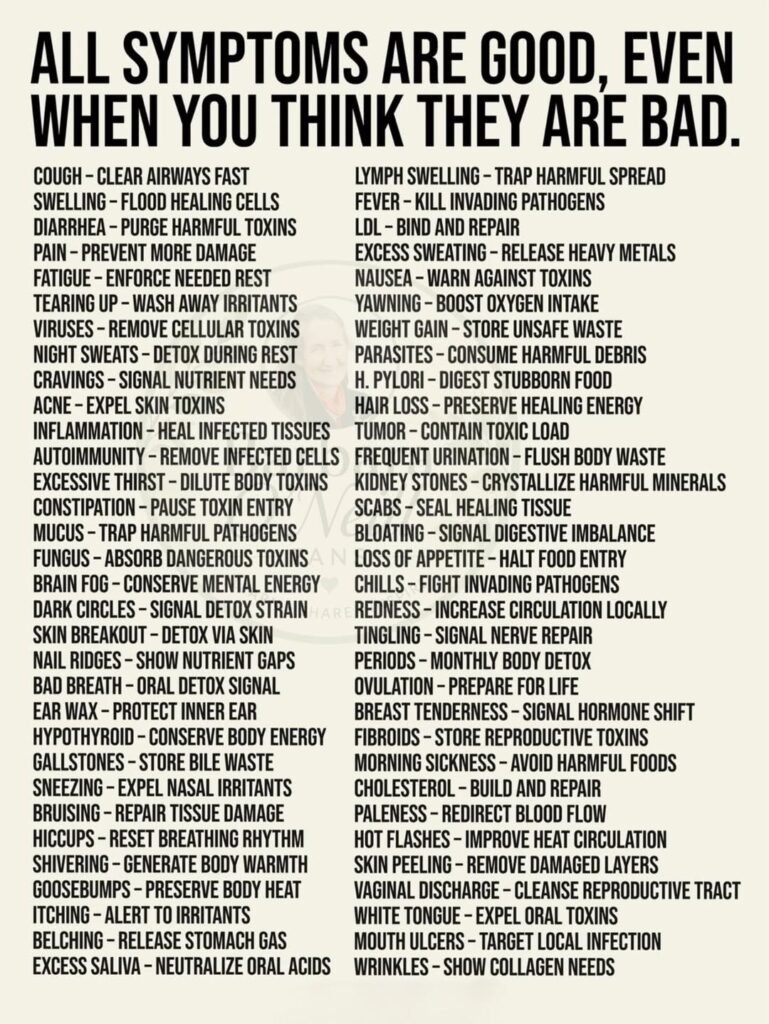
Are Your Symptoms Actually Helping Your Body? What Science Really Says
We often think of symptoms such as fever, coughing, swelling, fatigue or pain as signs that something is going wrong. But there is another side to the story: many symptoms are actually signals produced by the body as it responds to infection, injury or other changes.
However, there is an important distinction between saying that a symptom can be part of the body’s defense system and claiming that every symptom is beneficial. That second claim is not supported by medical evidence.
1. Fever: A Natural Immune Response
Fever is one of the best examples of a symptom that can have a protective role.
When the immune system detects an infection, it releases chemical signals that can raise body temperature. This is part of the body’s response to invading microorganisms.
But fever is still a symptom, not a diagnosis. It can occur with many different infections and inflammatory conditions.
A persistent, very high, or unexplained fever should not simply be dismissed as the body “detoxing.”
2. Coughing: The Airways’ Protective Reflex
Coughing is a natural reflex that helps clear mucus, irritants and other material from the airways.
That doesn’t mean every cough is harmless. A persistent cough, difficulty breathing, chest pain or coughing up blood requires medical evaluation.
3. Pain: An Important Warning Signal
Pain can be the body’s alarm system.
For example, pain caused by an injury can alert you that something is wrong and encourage you to protect the affected area while it heals.
But pain itself is not something that should automatically be celebrated or ignored. Severe, sudden or persistent pain can indicate a condition requiring medical attention.
4. Swelling and Inflammation
Inflammation is an important part of the body’s response to injury and infection. It helps recruit immune cells and other defenses to the affected area and can contribute to healing.
But inflammation is not always beneficial.
When inflammation becomes excessive, prolonged or occurs without an appropriate trigger, it can damage healthy tissues.
So the statement “inflammation is always good” is misleading.
5. Fatigue: Sometimes the Body Needs Rest
Feeling tired during an illness is common. Rest allows the body to conserve energy while the immune system is responding to a problem.
However, unexplained or persistent fatigue can have many causes and should not automatically be described as the body “healing.”
6. Diarrhea: Not Simply a “Detox”
Diarrhea can occur because of infections, food-related illness, medications and many other conditions.
It can sometimes accompany the body’s attempt to deal with an intestinal infection, but prolonged diarrhea can cause dehydration and electrolyte problems.
Therefore, saying that diarrhea simply “purges toxins” is an oversimplification.
7. Nausea and Loss of Appetite
Nausea and reduced appetite can occur during infections and other illnesses. They may temporarily reduce food intake when the digestive system is disturbed.
But these symptoms can also be caused by medications, gastrointestinal conditions and many other problems.
They should not automatically be interpreted as evidence that the body is removing harmful substances.
8. Sweating and Chills
Sweating and chills can accompany fever and changes in body temperature.
They are physiological responses, not proof that the body is “releasing heavy metals” or performing a detox.
There is no general medical basis for interpreting ordinary sweating as a method of eliminating heavy metals from the body.
9. Skin Redness and Itching
Redness, itching and other skin changes can occur because of inflammation, irritation, allergies, infections and numerous other causes.
The symptom itself does not tell us what the underlying cause is.
For example, swelling of the face, eyes or tongue accompanied by breathing difficulties can be a medical emergency.
10. Headaches, Dizziness and Brain Fog
These symptoms can have many possible explanations, including dehydration, infection, lack of sleep, stress, medications and other medical conditions.
Calling them a “detox response” without knowing the cause can be misleading and may delay appropriate care.
What About “Detoxing”?
The word “detox” is frequently used online to describe symptoms such as diarrhea, sweating, skin breakouts or fatigue.
But the human body already has sophisticated systems for processing and eliminating waste, particularly through organs such as the liver and kidneys.
A symptom should not automatically be interpreted as evidence that toxins are leaving the body.
The Bigger Picture
The most useful way to think about symptoms is this:
A symptom is a signal — not necessarily a benefit and not necessarily a disease.
Some symptoms reflect normal protective processes. Fever can accompany an immune response, inflammation can contribute to healing, and pain can warn us that something is wrong.
At the same time, the same symptoms can become concerning depending on their severity, duration, combination with other symptoms, and underlying cause.
When Should You Seek Medical Attention?
Don’t ignore symptoms simply because someone says they are part of a “healing process.”
Seek medical advice for symptoms that are severe, persistent, worsening or unexplained.
Emergency evaluation is particularly important for signs such as severe difficulty breathing, confusion, loss of consciousness, severe sudden pain, blue/grey lips or skin, or severe persistent vomiting or diarrhea.
Final Takeaway
Your body is constantly communicating with you.
Some symptoms are indeed part of the body’s natural defense and repair mechanisms. But not every symptom is good, and symptoms are not reliable evidence of “detoxification.”
Instead of asking, “Is this symptom good or bad?”, a better question is:
“What is causing this symptom, and what is my body trying to tell me?”
Understanding the cause is far more useful than simply labeling every unpleasant symptom as a sign of healing.
Health information in this article is for educational purposes and does not replace evaluation by a qualified healthcare professional.