
Vitamin B17 and Cancer: What Does Science Really Say?
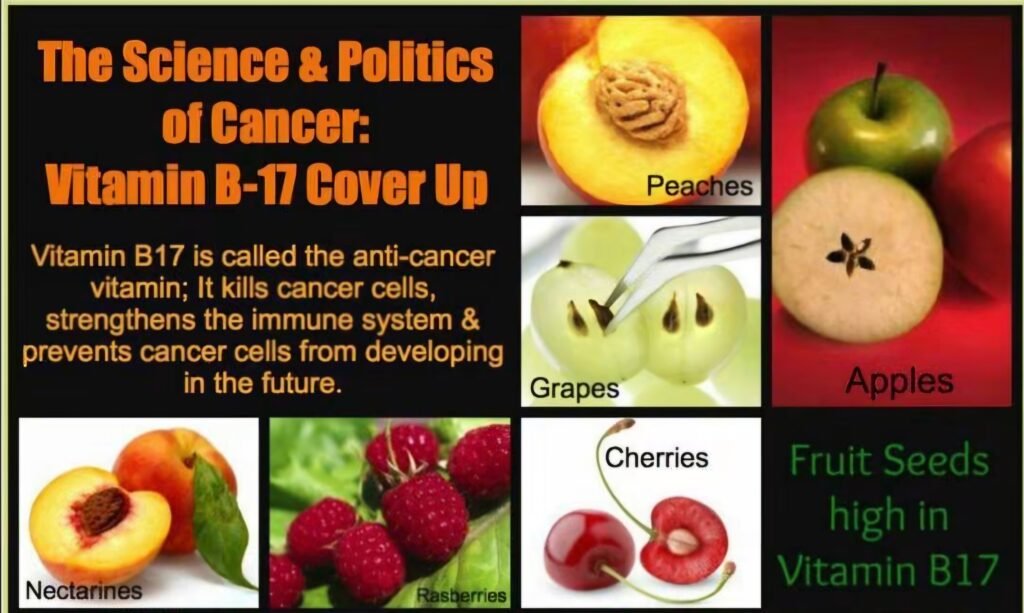
A widely shared graphic claims that certain fruit seeds are rich in “Vitamin B17” and suggests that this substance can kill cancer cells, strengthen the immune system and prevent cancer. However, these claims are misleading and are not supported by reliable clinical evidence.
What Is “Vitamin B17”?
The substance commonly called Vitamin B17 is better known as amygdalin or, in some contexts, laetrile. Despite the name, it is not an officially recognized vitamin and is not required by the human body as a vitamin.
Amygdalin occurs naturally in the pits or seeds of certain fruits, including apricots, peaches, apples and plums. It can release cyanide when broken down in the body.
Can Vitamin B17 Cure Cancer?
There is no convincing clinical evidence that amygdalin or laetrile can cure, prevent or effectively treat cancer.
The U.S. National Cancer Institute reports that laetrile showed little anticancer activity in animal studies and no demonstrated anticancer activity in human clinical trials.
A National Cancer Institute clinical study involving 175 evaluable cancer patients found that cancer progressed in all patients within seven months after treatment ended. The reported improvements in symptoms generally did not persist.
Therefore, describing B17 as an “anti-cancer vitamin” or claiming that it kills cancer cells in humans is not scientifically justified.
What About Fruit Seeds?
The fruits themselves—such as apples, peaches, plums, cherries and apricots—can be nutritious foods and can certainly be part of a healthy diet.
The important distinction is between the fruit and its seeds or pits.
Some fruit seeds and pits contain amygdalin. When consumed in sufficiently large amounts, amygdalin can release cyanide and potentially cause poisoning. The FDA specifically warns about this risk with certain fruit seeds and pits.
This means the graphic should not be interpreted as advice to consume large quantities of fruit seeds for health benefits.

Why Did the B17 Cancer Theory Become Popular?
The idea became popular through claims that cancer was caused by a deficiency of a supposed vitamin and that amygdalin could selectively destroy cancer cells.
However, scientific investigations did not establish that amygdalin is a vitamin or that humans need it for normal metabolism.
The controversy surrounding laetrile also became connected with debates about conventional cancer treatment, pharmaceutical companies and government regulation. Despite these debates, scientific evidence remains the key question: does the treatment work safely and effectively in people?
For amygdalin, the evidence has not demonstrated that benefit.
Is It Safe?
Safety is another important concern.
According to the National Cancer Institute, laetrile can produce effects associated with cyanide toxicity, including nausea, dizziness, liver damage, low blood pressure, neurological problems, confusion, coma and death. The risk can be greater when the substance is taken orally or when certain foods or supplements are consumed alongside it.
The FDA has also taken enforcement action against products marketed as amygdalin, laetrile or “Vitamin B17” for cancer treatment.
The Bottom Line
The viral claim that “Vitamin B17 kills cancer cells” is not supported by clinical evidence.
Amygdalin is a naturally occurring compound found in the seeds or pits of some fruits, but calling it a vitamin is misleading, and there is no reliable evidence that it can cure or prevent cancer.
Eating whole fruits such as apples, peaches, berries and apricots can be part of a healthy diet. But consuming fruit seeds or pits as a supposed cancer treatment can carry risks.
Cancer should be diagnosed and treated with evidence-based medical care. Food can support overall health, but no single fruit, seed or “vitamin” should be promoted as a replacement for cancer treatment.